
Air Source Heat Pump
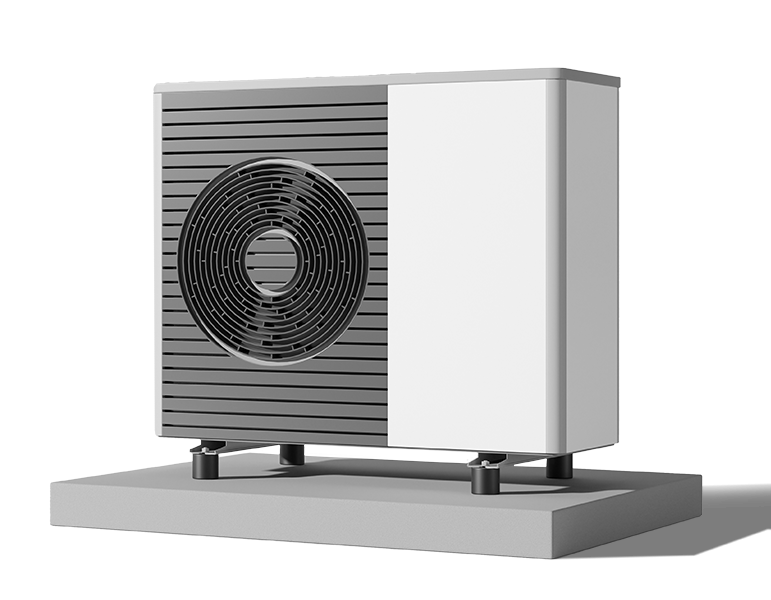
An air source heat pump (ASHP) is used to provide a home with heating and hot water. An ASHP absorbs heat from outside air in the same way that a fridge extracts heat from its inside. This heat is then used for heating radiators, underfloor heating systems, or warm air convectors, as well as providing hot water.
Air source heat pumps can get heat from the air even at temperatures as low as -15°C.
There are many benefits available when utilising an air source heat pump system:
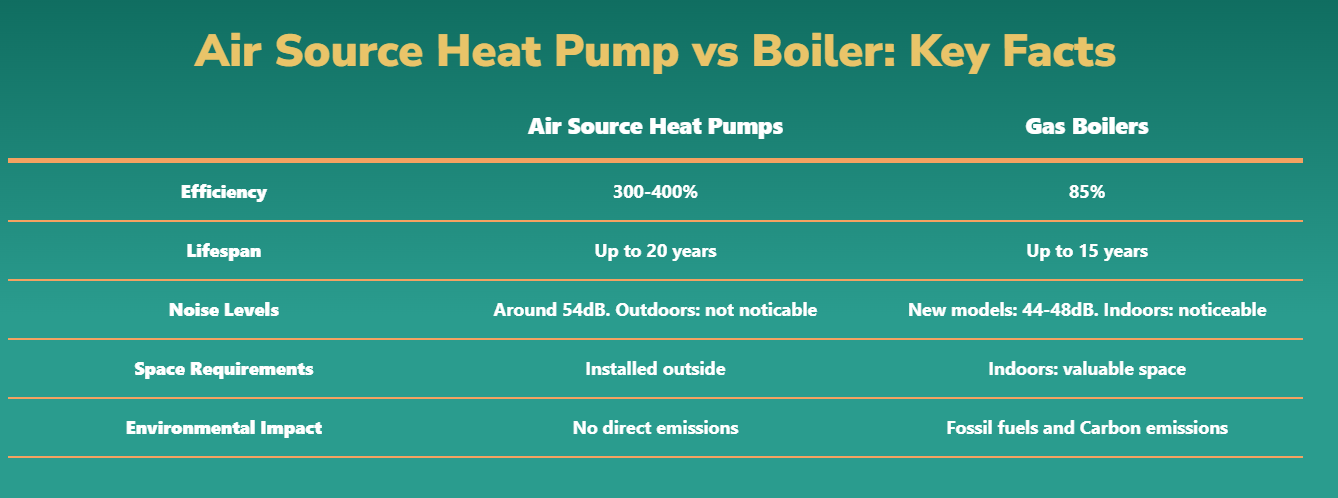
- The cost of running an air source heat pump to heat your home is considerably less than most alternative methods, such as oil, liquefied petroleum gas (LPG), or conventional electric heating.
- An air source heat pump has a low carbon footprint as it uses a natural source of renewable energy.
- The energy you generate with an air source heat pump can be used to heat your home and provide hot water.
- Having an air source heat pump will remove the need for fuel deliveries if the house is off-grid and has no mains gas.

Solar PV
Solar PV, or solar photovoltaic, is a technology that converts sunlight directly into electricity using solar panels made of semiconductor materials like silicon. These panels generate direct current (DC) electricity, which is then converted to alternating current (AC) by an inverter to power homes, or it can be stored in a battery or sent back to the grid.
Benefits of Solar PV:
☀️ Renewable energy: Uses free sunlight, not fossil fuels.
💸 Saves money: Cuts down electricity bills.
🌍 Good for the environment: No air pollution or carbon emissions.
🔋 Low maintenance: Once installed, it needs little care.
🏡 Flexible: Works for houses, farms, or even big solar parks.
Hybrid Heat Pumps
Upgrade your gas central heating system to a new renewable heat source !
How do Hybrid systems work?
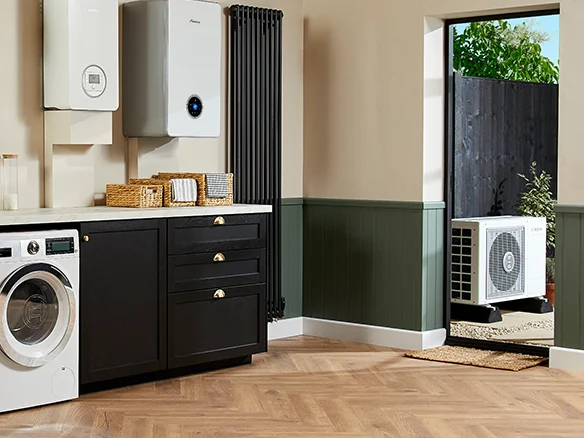
A hybrid heating and hot water system is a combination of two or more technologies teaming up to generate heat, as a lower carbon^ alternative for home heating. These typically consist of a gas or oil boiler and an air to water heat pump.
The heat pump is expecting to generate heat for 70-80% of the time and, during colder months, the boiler acts as a top-up, giving all year-round comfort.
By going hybrid, you’ll get many benefits:
- Lower carbon footprint, as your heat pump reduces the use of your boiler.
- Lower cost, if you add a hybrid heat pump to your existing system.
- More space, if you have a combi boiler as it requires no hot water cylinder.
- Few changes, as your home needs little remedial work to get it hybrid-ready.
- Ready to reliably, warm your home for years to come.